NCCR-Synapsy

The Synaptic Bases of Mental Diseases

Drugs of abuse: Identifying the addiction circuit

mouse brain

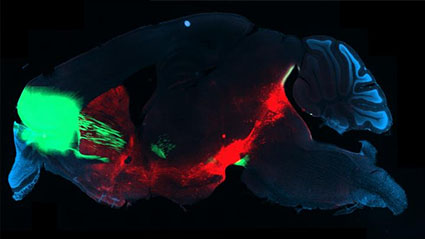
Section of a mouse brain showing in red the circuit that reinforces the behaviour, in green the circuit that reinforces the decision to continue. If the green projection is very active, the mice self-stimulate their red projection despite negative consequences. Read more…

Carmen Sandi wins the first Ron de Kloet award

carmen sandi-dekloet award

Professor Carmen Sandi at EPFL’s Brain Mind Institute, has won the first Ron de Kloet award from the STRESS-NL consortium. The STRESS-NL is a consortium of different institutions that “envisions that combining forces between researchers across the Netherlands ranging from Read more…


ASD : Protein synthesis as a possible biomarker

Eleonora Rosina

Eleonora Rosina   Highlight from the Bagni’s Lab Genes encoding for proteins involved in synaptic protein synthesis seem to contribute to the development of Autism Spectrum Disorders. They are now suspected as early biomarkers. Eleonora Rosina, a PhD student in Read more…


Social dopamine

Dopaminergic

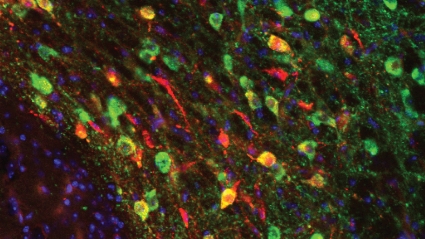
Dopaminergic neurons of the VTA (green). Virus-infected neurons that can be inhibited to assess their effects on social behavior through chemogenetic approaches are in red. The level of infected dopamine neuron is about 50% (yellow).   Highlight from the Bellone’s Read more…


The WP#3 is setting the tone

A new Synapsy era has emerged with the entering in Phase-3. Its success will depend, among other things, on Synapsy’s ability to transfer technologies. It didn’t take long to hear about a great example of technology transfer! Last October, the Read more…


Synapsy enters Phase-3 with new challenges

ANNUAL MEETINGS 3

The Synapsy Group – Villars 2018 Following a successful Site-Visit, Synapsy has officially entered Phase-3 in October 2018. A final decision regarding the overall funding for Synapsy’s third phase is expected from the Swiss National Science Foundation (SNSF) in January Read more…


The brain is fighting against autism

eye-tracking

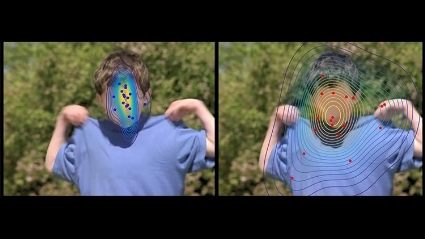
Eye-tracking experience Each dot indicates the position of the gaze while viewing a video showing a child playing. Left : the blue dots are the areas targeted by a child with typical cerebral development. Right : the red dots are targeted by Read more…