NCCR-Synapsy

The Synaptic Bases of Mental Diseases

Social interactions divert the established motivational system

A Synapsy study has demonstrated that the first step required to embark on a social interaction, moving towards others, follows a neural pathway that lies outside the system of motivation that had previously been known to be at the forefront Read more…


Post-traumatic pain expressed physically from generation to generation

A Synapsy article has demonstrated that mothers suffering from post-traumatic stress disorders resulting from domestic violence often convert their mental suffering into physical pain and pass on this somatisation to their children. Adults who have suffered childhood trauma exhibit a Read more…


Get More or Give Up, a Question of Anxiety

Individuals can respond to stress in diametrically opposed ways. A NCCR-Synapsy study shows that the behavioral response depends on the level of anxiety and identifies the cerebral mechanisms involved. People often have different responses to stress. These distinct behavioral reactions Read more…


Connecting stress, weight, and social anxiety in early adolescence

Scientists at EPFL have found a biological connection explaining why there is an increased predisposition to develop obesity and being less sociable in individuals that have experienced stress during early puberty.   Between the end of childhood and the beginning Read more…


Communication defect in psychotic disorders

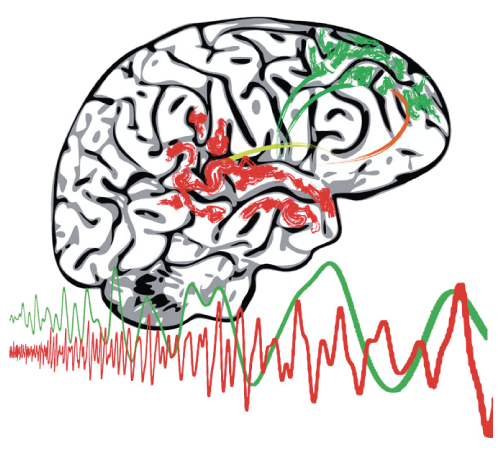
Scientists at the UNIGE demonstrate how a defect in communication between brain areas is linked to the onset of psychotic disorders.   Communication between brain areas is crucial for the brain to correctly process sensory signals and adopt an appropriate Read more…